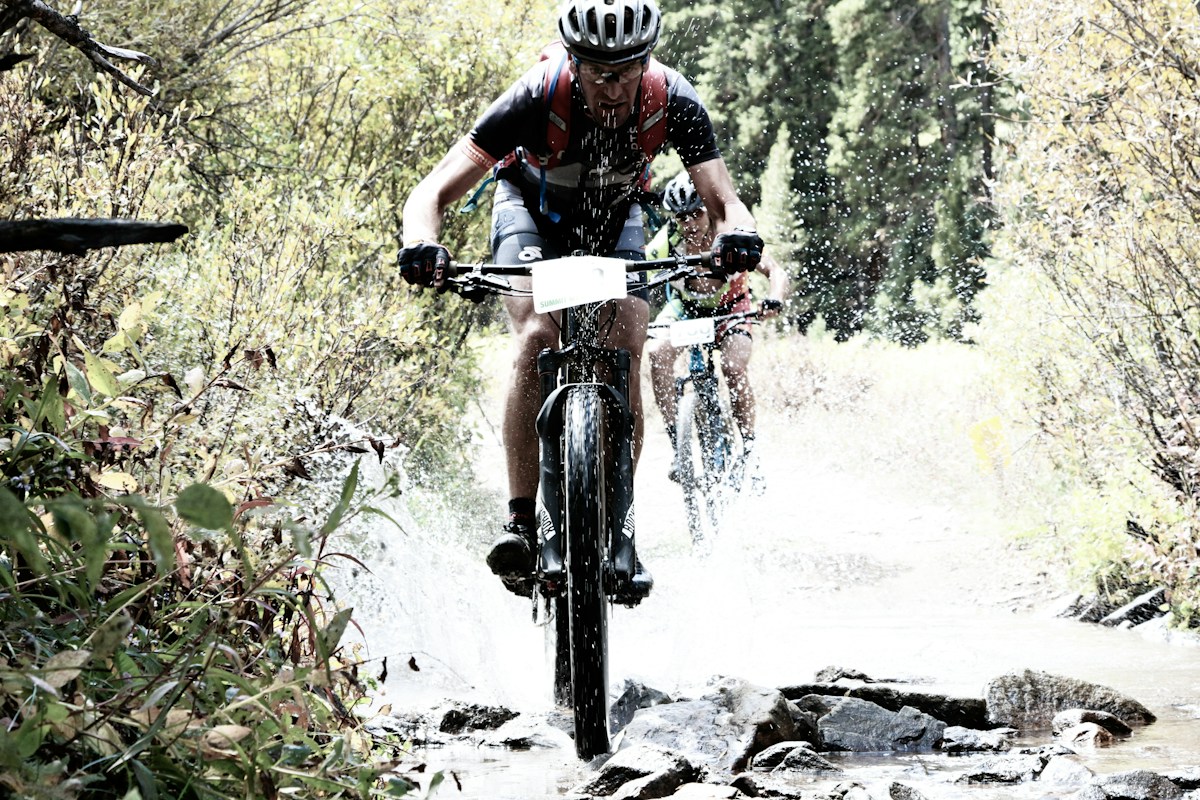
1. Define Your Riding Style
Before dropping thousands on a new rig, be honest about where you ride. Are you hitting local fire roads or shuttling downhill runs?
Trail Riding
The most common category. Trail bikes like the Specialized Stumpjumper are the jacks-of-all-trades. They climb well and descend with confidence, typically sporting 130-150mm of travel.
Enduro
If you live for the descent but still need to pedal up, look at bikes like the Yeti SB140 or Santa Cruz Hightower. These are bigger, slacker, and capable of handling bike park laps.
2. Hardtail vs. Full Suspension
Hardtails have no rear shock. They are lighter, cheaper, and great for learning skills. Full Suspension bikes offer traction and comfort on rough terrain but cost more to maintain.
3. Wheel Size: 29 vs 27.5
- 29er: Fast rolling, carries momentum. The standard for most modern trail bikes.
- 27.5 inch: Playful, easier to accelerate. Great for smaller riders or jump lines.
- Mullet (Mixed): Business up front (29"), party in the back (27.5").
4. Budget & Value
You don't need to spend $10k. Great entry-level bikes start around $1,500. Mid-range bikes ($3,500-$5,000) offer the best performance-to-value ratio, often featuring reliable suspension from FOX or RockShox.